


Imagine you’re building an e-commerce website. The homepage should load instantly for every visitor, product pages need updated pricing and stock information, the checkout page must always display the latest cart details, and the user dashboard is personalized after login. Using the same rendering strategy for all these pages wouldn’t be efficient.
This is where Next.js shines. It offers four different rendering methods: Server-Side Rendering (SSR), Static Site Generation (SSG), Incremental Static Regeneration (ISR), and Client-Side Rendering (CSR). Each approach is designed for a specific use case, helping you balance performance, SEO, scalability, and data freshness.
In this guide, we’ll explore each rendering method, compare their strengths and trade-offs, and learn when to choose the right one for your application.
Quick Comparison of Next.js Rendering Methods
| Rendering | Generated | SEO | Best For |
|---|---|---|---|
| SSR | Every request | Excellent | Dynamic, personalized pages |
| SSG | Build time | Excellent | Blogs, landing pages |
| ISR | Build + Revalidate | Excellent | Product pages, CMS |
| CSR | Browser | Limited | Dashboards, chat apps |
Exploring Each Next.js Rendering Method
1. Server-Side Rendering (SSR)
SSR generates HTML on every request, ensuring users always receive the latest data.
How it works
Advantages
- Fresh data on every request
- Excellent SEO
- Great for dynamic content
Limitations
- Slower than static pages
- Higher server load
- Increased response time
Best Use Cases
- User dashboards
- E-commerce websites
- Weather applications
- Stock market data
- Personalized content
Example (App Router)
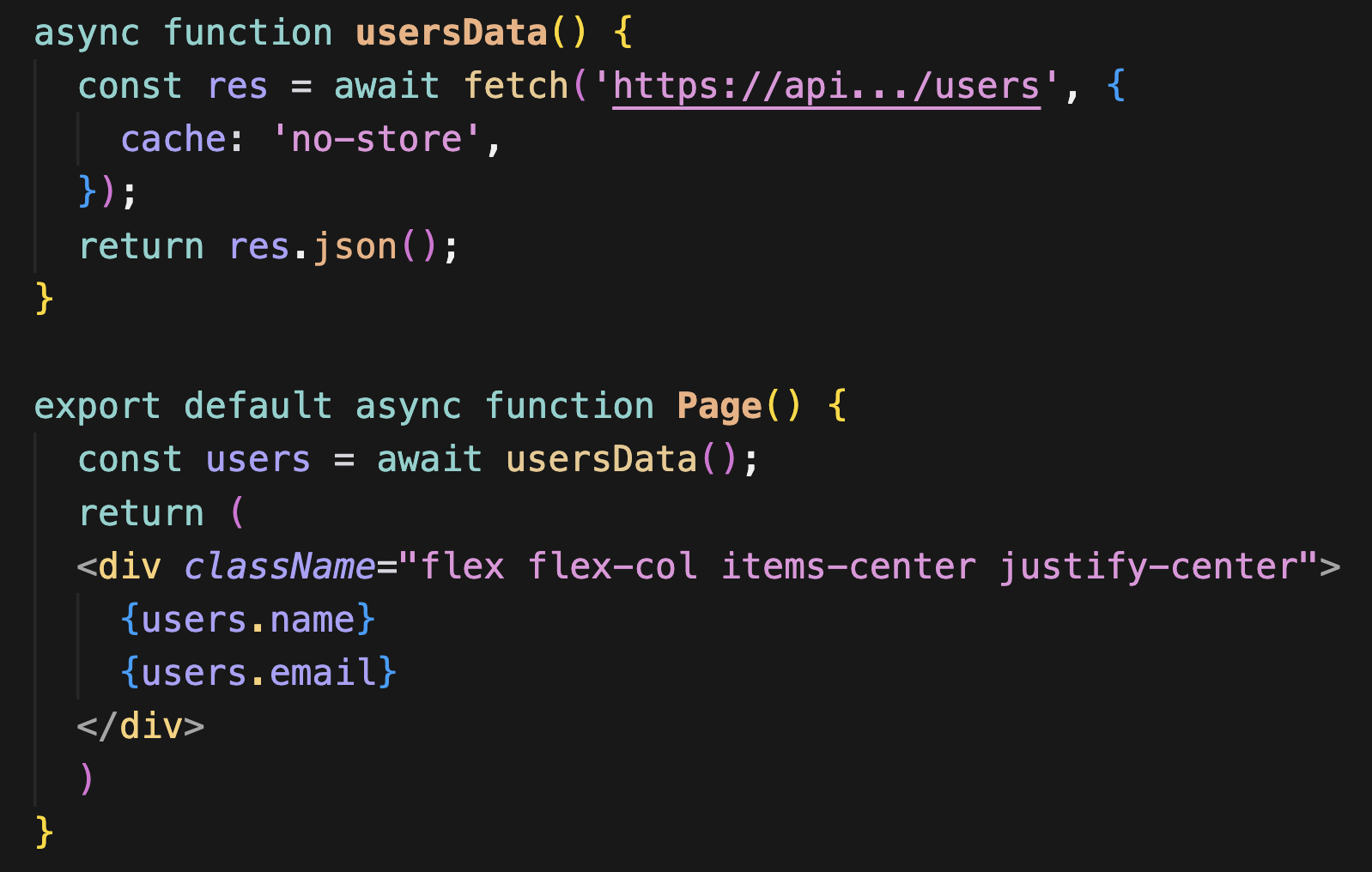
cache: ‘no-store’ ensures fresh data is fetched on every request.
2. Static Site Generation (SSG)
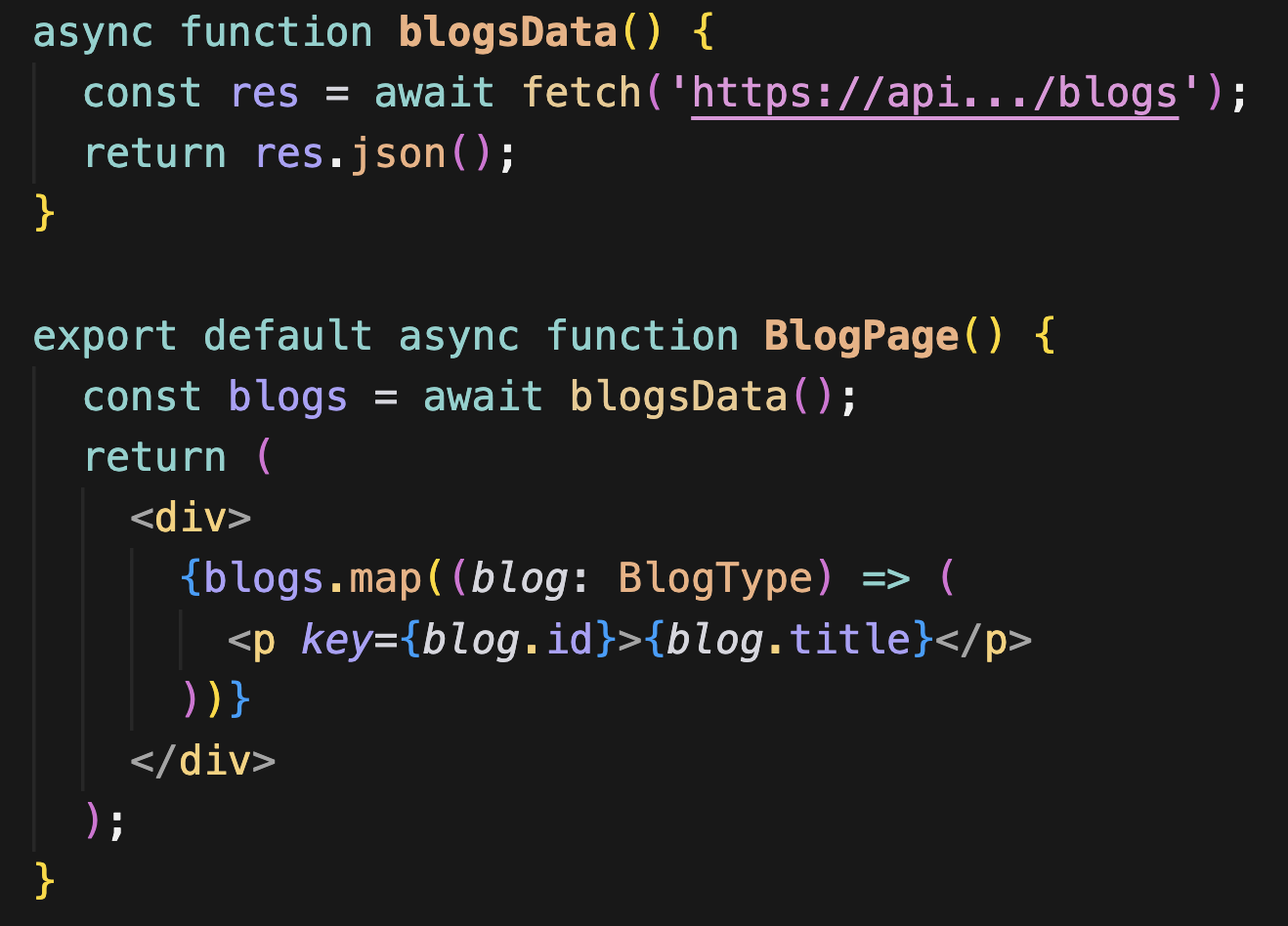
SSG generates HTML at build time, making pages extremely fast and SEO-friendly.
How it works
Advantages
- Extremely fast
- Excellent SEO
- Low server cost
- Can be served from a CDN
Limitations
- Content doesn’t update until the site is rebuilt
- Not suitable for frequently changing data
Best Use Cases
- Blogs
- Documentation
- Company websites
- Landing pages
- Portfolio sites
Example
3. Incremental Static Regeneration (ISR)
ISR generates pages at build time and automatically updates them in the background after a specified interval.
How it works
Advantages
- Fast like SSG
- Content updates automatically
- No full rebuild required
- Great for large websites
Limitations
- Users may briefly see stale content until regeneration completes
Best Use Cases
- Product catalogs
- CMS-driven sites
- News websites
- Travel booking pages
- Real estate listings
Example
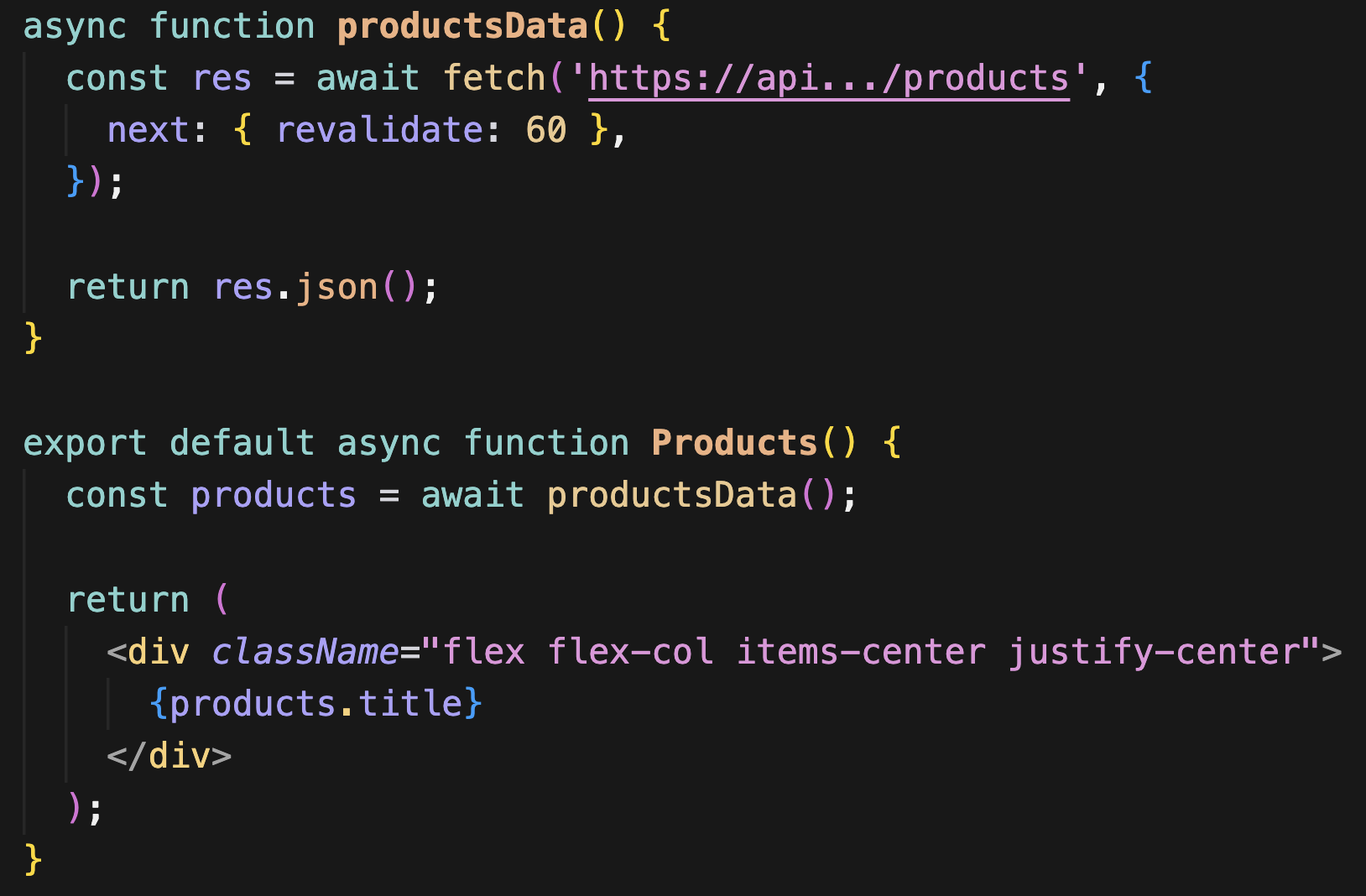
The page is automatically regenerated every 60 seconds
4. Client-Side Rendering (CSR)
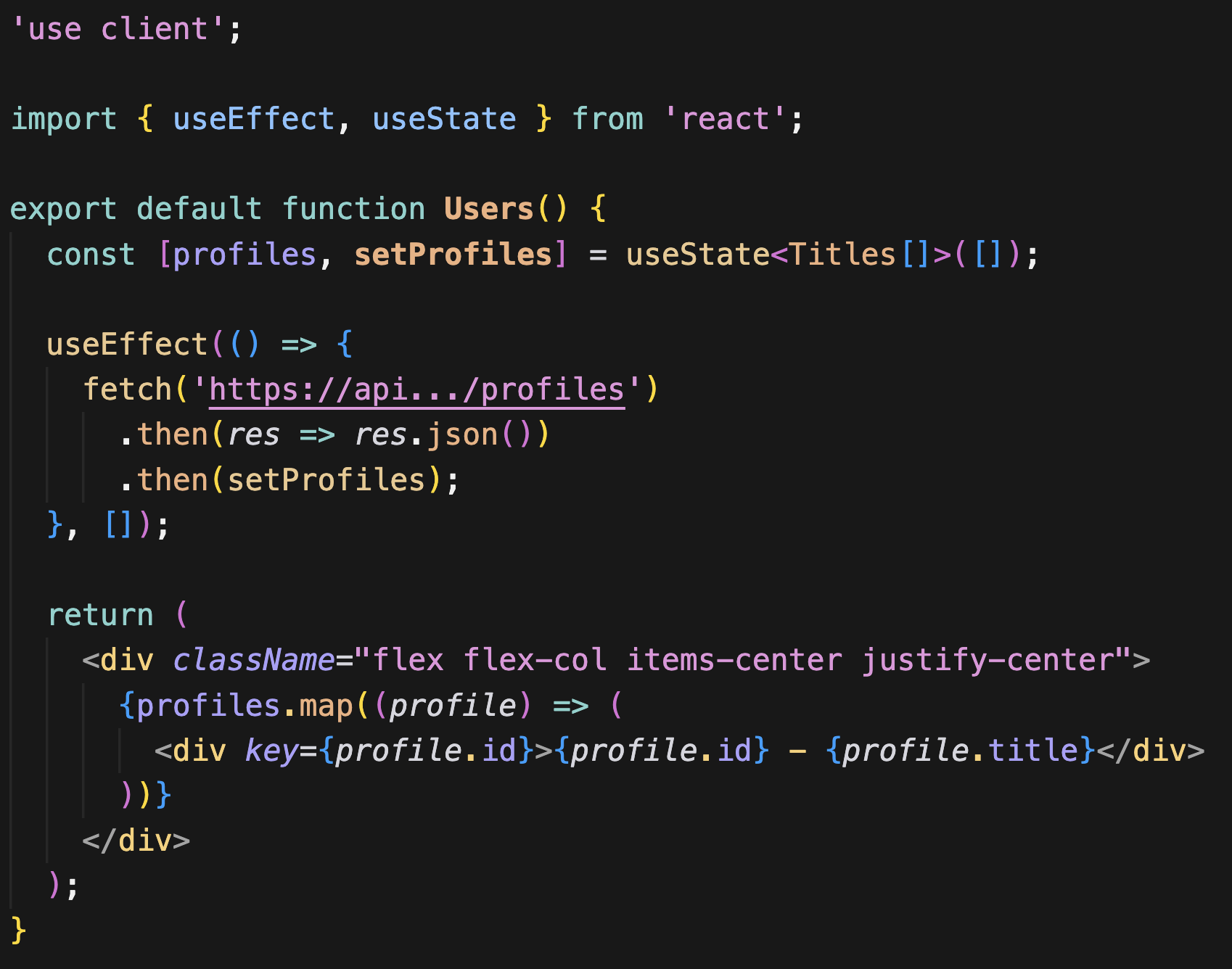
CSR renders pages in the browser after JavaScript loads. It’s a great choice for applications that require user interaction and real-time updates.
How it works
Advantages
- Highly interactive
- Reduced server rendering work
- Great for authenticated apps
Limitations
- Limited SEO
- Slower initial page load
- Content is unavailable until JavaScript executes
Best Use Cases
- Admin dashboards
- Chat applications
- Analytics tools
- Project management apps
- User profile pages
Example
How to Choose the Right Rendering Strategy
Choosing the right rendering method depends on how often your content changes, whether SEO is important, and how much user-specific data your page requires.
- Choose SSR if users should always receive the latest data or personalized content (checkout pages, dashboards, authenticated pages).
- Choose SSG if your content rarely changes and you want maximum performance and SEO (blogs, documentation, landing pages).
- Choose ISR if your content updates regularly but doesn’t need to be regenerated on every request (product catalogs, CMS websites, news portals).
- Choose CSR if your page is highly interactive and SEO isn’t a priority (admin panels, chat applications, analytics dashboards).
Quick Decision Checklist
- Is SEO important?
- No → CSR
- Yes → Continue below
- Does the content rarely change?
- Yes → SSG
- Does the content update regularly but not on every request?
- Yes → ISR
- Does every request require the latest or personalized data?
- Yes → SSR
Using Multiple Rendering Methods in One Next.js Application
One of the biggest advantages of Next.js is its hybrid rendering model. Instead of choosing a single rendering strategy for your entire application, you can apply the most suitable approach to each page based on its requirements. This flexibility helps optimize performance, improve SEO, reduce server costs, and ensure users always receive the right balance of speed and fresh data.
For example, an e-commerce application can combine multiple rendering methods to deliver the best user experience. The following table illustrates how different pages can leverage different rendering strategies.
| Page | Rendering Method | Why This Method? |
|---|---|---|
| Checkout | SSR | Checkout pages require real-time cart details, pricing, discounts, and user information, making Server-Side Rendering the best choice for always displaying the latest data. |
| Homepage | SSG | The homepage changes infrequently, allowing it to be generated during build time for maximum performance, excellent SEO, and fast page loads. |
| Product Pages | ISR | Product information such as prices and inventory changes regularly. ISR keeps these pages fast while automatically updating them in the background without rebuilding the entire application. |
| User Dashboard | CSR | Dashboards are highly interactive and personalized after login. Client-Side Rendering enables seamless user interactions and real-time updates without requiring full page reloads. |
By combining SSR, SSG, ISR, and CSR within the same application, developers can optimize each page for its specific requirements rather than relying on a single rendering strategy. This hybrid approach is one of Next.js’s greatest strengths, enabling applications to deliver exceptional performance, improved SEO, scalable infrastructure, and an outstanding user experience.
Conclusion
Next.js gives developers the flexibility to choose the most suitable rendering strategy based on their application’s requirements.
SSR ensures users always receive the latest data, making it the right choice for personalized experiences such as checkout flows, dashboards, and authenticated pages.
SSG delivers the fastest performance for static content and is ideal for blogs, documentation, and marketing pages.
ISR builds on SSG by allowing pages to update automatically, making it perfect for CMS-driven websites, product catalogs, and news portals.
CSR excels in highly interactive applications where SEO is less important, such as admin panels, chat systems, and analytics dashboards.
The real power of Next.js lies in its hybrid rendering model. A single application can combine SSG for static pages, ISR for frequently updated content, SSR for dynamic user-specific pages, and CSR for interactive client-side experiences. Choosing the right rendering strategy for each page helps you optimize performance, improve SEO, reduce infrastructure costs, and deliver the best possible user experience.